


Museums, gardens and shop windows are transformed into a widespread itinerary where the city becomes a contemporary cultural garden.
Milan is once again in bloom with the eighth edition of FuoriOrticola 2026, a project conceived by Orticola di Lombardia which, throughout the month of May, transforms the city into a vast journey through art, botany and creativity.
The initiative brings together museums, galleries, historic villas, gardens, shops and hotels in an unprecedented dialogue between different aesthetic languages: works from collections are reinterpreted by floral designers through site-specific installations that introduce flowers and nature into cultural and commercial spaces. The result is a true city-wide exhibition inviting residents and visitors alike to explore Milan through a new lens, where art and botany intertwine in a distinctly and “happily” urban way.
Alongside the Orticola exhibition-market, FuoriOrticola 2026 offers guided tours, workshops, discounted entry and special openings, further strengthening its identity as a participatory and accessible event.

Among the most significant districts within the itinerary, the Brera neighbourhood represents one of the most emblematic centres of the dialogue between culture and nature. Here, FuoriOrticola 2026 finds one of its most coherent expressions thanks to the presence of historic institutions, hidden gardens and art collections that become an active part of the city’s botanical narrative.
📍 Brera Botanical Garden: the secret garden in the heart of the city
At the natural heart of the district lies the Brera Botanical Garden, one of the symbolic places representing the relationship between science and the urban landscape. During FuoriOrticola, the space opens to visitors with itineraries dedicated to spring blooms, offering an experience that combines botanical species with the history of Milan’s scientific garden tradition. It is here that the theme of the 2026 edition finds one of its most authentic expressions: nature as a living and shared heritage.
📍 Castello Sforzesco: a cultural ecosystem
The Castello Sforzesco complex also represents one of the richest hubs within the programme. Its many internal institutions present thematic itineraries ranging from 18th-century decorative arts to iconographic collections and the symbolic language of flowers. Guided tours offer visitors the opportunity to discover how nature has been represented over time through materials, objects and imagery.
📍 Gallerie d’Italia and Piazza della Scala: the dialogue between art and contemporaneity
Within the museum system of the city centre, Gallerie d’Italia joins the itinerary with proposals intertwining art and contemporary storytelling, broadening the reflection on the relationship between aesthetics and nature within the modern city.
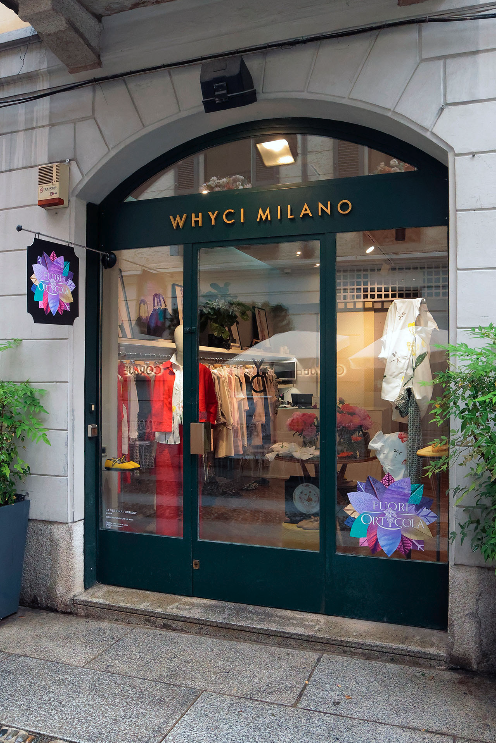
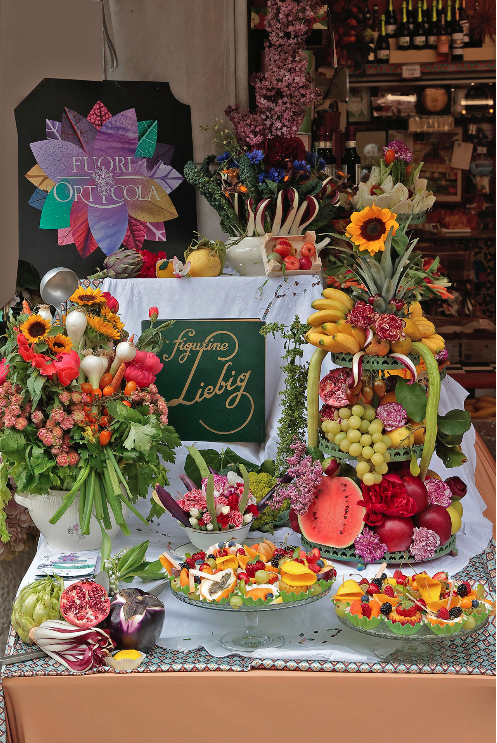
Finally, FuoriOrticola 2026 finds one of its liveliest expressions in the initiative Vetrine Fiorite (“Blooming Shop Windows”), creating an urban map of floral installations that reinterpret everyday spaces as aesthetic experiences.
Across the city, more than 43 shop windows are involved in the project, many of them concentrated in Brera, where shops and showrooms become protagonists in the city’s floral narrative. The participating brands span fashion, textiles, antiques, design and food, each reinterpreted through displays inspired by the artworks selected for the 2026 edition. The result is a district transformed into an open-air gallery, where strolling becomes exploration and the city itself becomes a cultural device.
Among the district’s featured shop windows are Amelie Store Milano on Via Fiori Chiari, Asnaghi Tessuti on Via della Moscova, Dedar Milano on Via Fiori Chiari, Frutteto Garibaldi on Corso Garibaldi, and the timeless charm of Il Segno del Tempo Antiquario, also located on Via Fiori Chiari.
The itinerary continues with Lanerossi on Via Mercato and La Tenda on Via Solferino, joined by design and lifestyle destinations such as Moroni Gomma on Corso Garibaldi, My Style Bags and Urban Hive Milano along the same urban axis, all the way to Ottica Artioli in Piazza XXV Aprile and more contemporary proposals such as WhyCi Milano, once again on Via Fiori Chiari.
Brera thus confirms itself as one of the most emblematic locations of FuoriOrticola. To explore the full programme, visit the initiative’s official website: https://fuoriorticola.it/

