


From Fuorisalone week to a permanent presence: the paradigm shift in exhibition spaces finds its most complete expression in Brera, with new openings ranging from French textiles to Made in Italy flagships.
There is a trend that has been bubbling under for a few years, and which Fuorisalone 2026 has made impossible to ignore: design brands no longer come to Milan for just one week. They come to stay. New openings and relocations are redrawing the city’s design map with hybrid formats blending retail, culture, and hospitality, thereby consolidating the city’s international role. While this phenomenon spans the whole of Milan – from Porta Venezia to Durini, and from the historic centre to Portanuova – it is Brera that boasts the highest and most prestigious concentration of new arrivals.
The neighbourhood is not merely a location; it is a destination. This is a distinction that goes beyond semantics. Choosing Brera for a permanent showroom means investing in an internationally recognisable address frequented year-round by architects, interior designers, buyers, and a sophisticated, cosmopolitan public whose curiosity is not exhausted in those five days in April. Brera remains the most dynamic and international district, leading the way in terms of new openings.
This shift is rooted in an evolution that began a few years prior. As early as 2024, the opening of spaces such as Fendi Casa, Boffi & DePadova, Meridiani, and laCividina in Via Manzoni signalled that furnishing brands were seeking permanent footholds in the city’s most iconic neighbourhoods, moving towards locations capable of guaranteeing visibility well beyond trade fair weeks. Brera, with its international vocation and flair for experimentation, proved to be the natural answer to this search.
The new openings chart different yet converging trajectories, which can be divided into three core identities:
Debuts and global giants
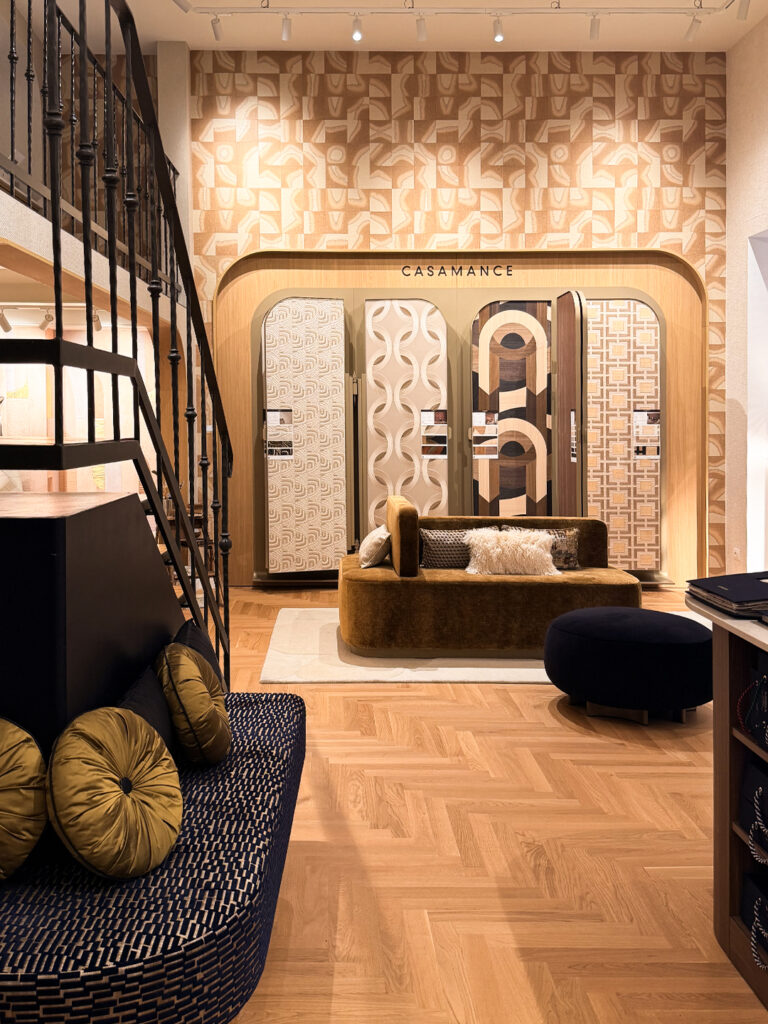
- Casamance: The French luxury fabric and wallpaper group has chosen Via Brera for its first Italian showroom, electing the district as its gateway to the European market.
- Kronospan Italia: The international surface giant (active in over 45 countries) makes its Milan debut with a space designed for direct dialogue with major architectural firms.
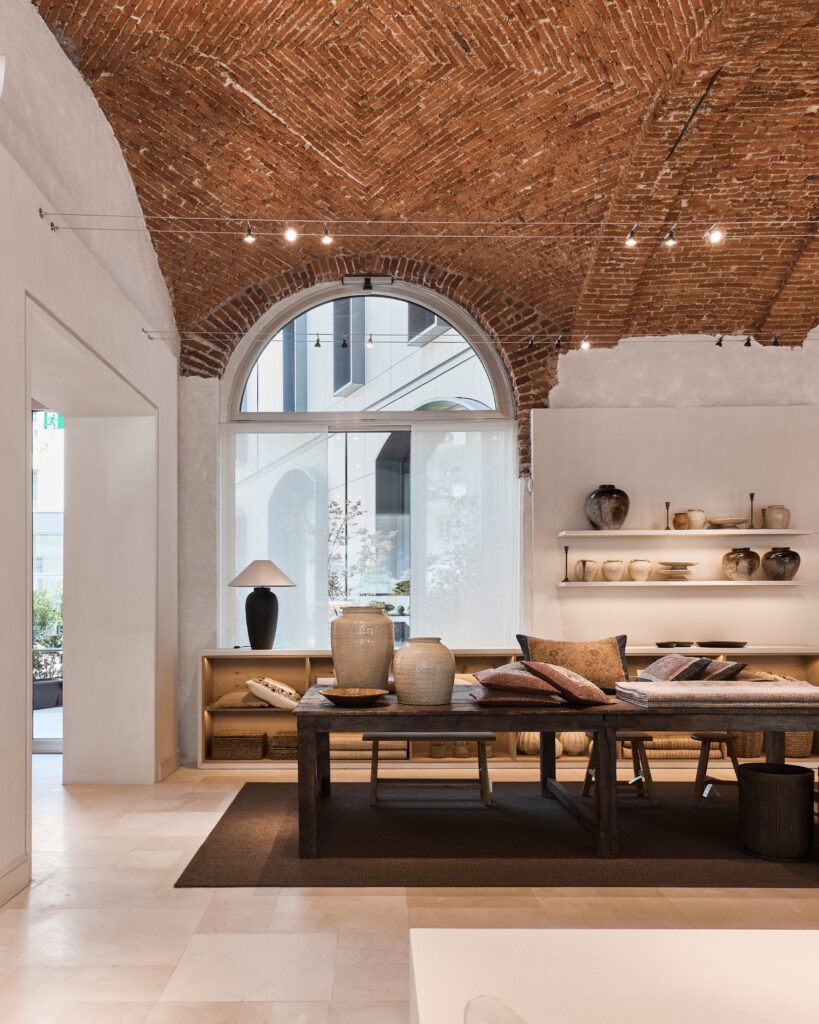
- Zara Home: The decision to open a flagship in the heart of the district is a strong testament to the neighbourhood’s maturity. When a global brand establishes a presence here with a more curated and contextualised approach, it proves that Brera has reached a critical mass, capable of attracting both industry professionals and discerning consumers alike.
Hybrid formats, contract, and networking
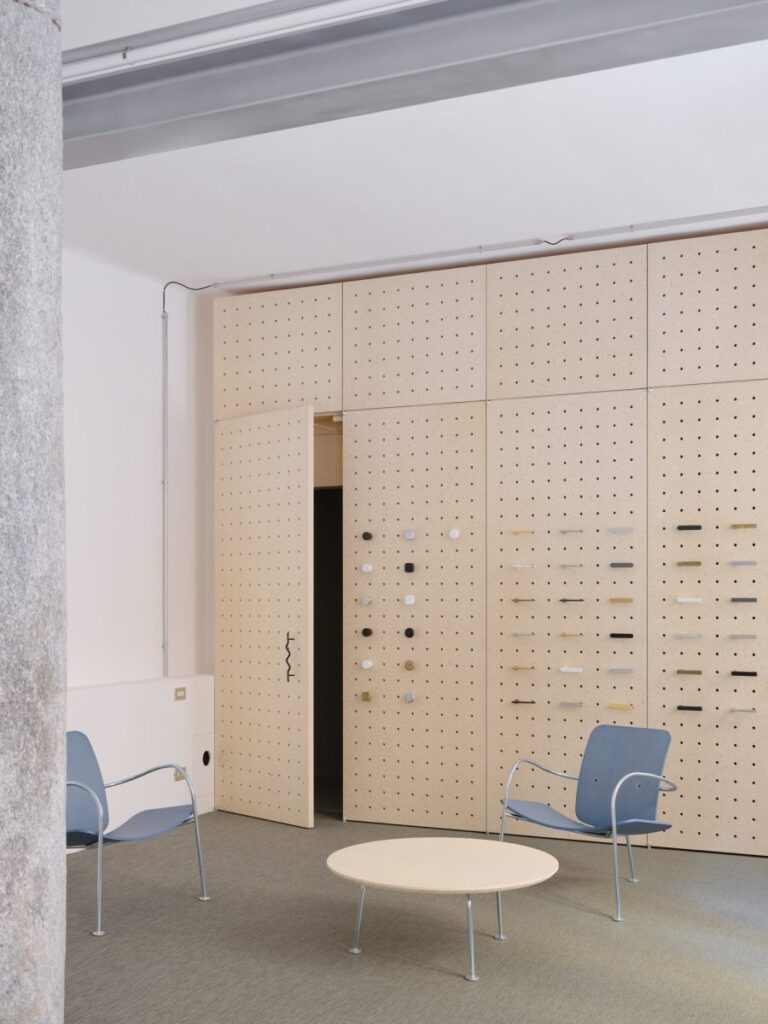
- Gallery FloFab x ECT Contract: This partnership brings a concept midway between a gallery and a contract space to Via San Marco, designed to foster high-quality interactions with designers rather than relying on high footfall.
- Verum: Located in Corso Garibaldi, the brand conceives its exhibition space explicitly as a relational venue—a hub for conversation first and product display second.
- Alea Office: The Friuli-based company specialising in workplace design introduces a showroom to the district that acts as a manifesto for office sustainability, a segment becoming increasingly central to Brera.
The excellence of craftsmanship and detail
- CPRN: Selecting the prestigious Via Pontaccio—one of the district’s most design-dense streets—this move confirms the specific weight of the neighbourhood’s topography.
- Dalfilo: Launching its second Milanese flagship dedicated to high-end home linens in Corso Garibaldi, the brand is debuting its “Land of Dreamers” capsule collection.
- Annabel Karim Kassar: The Lebanese architect and designer brings her international vision directly into her apartment in Via Montebello, where East and West converse through materials and proportions.
- La Contessina: Enriching the district by combining quality craftsmanship with contemporary sensibility, the brand fully embraces the philosophy of “bello fatto bene” (beautiful and well-made).
- Alvea: Debuting with a vision of living focused on durability and material research, targeting those who view the home as a true aesthetic investment.
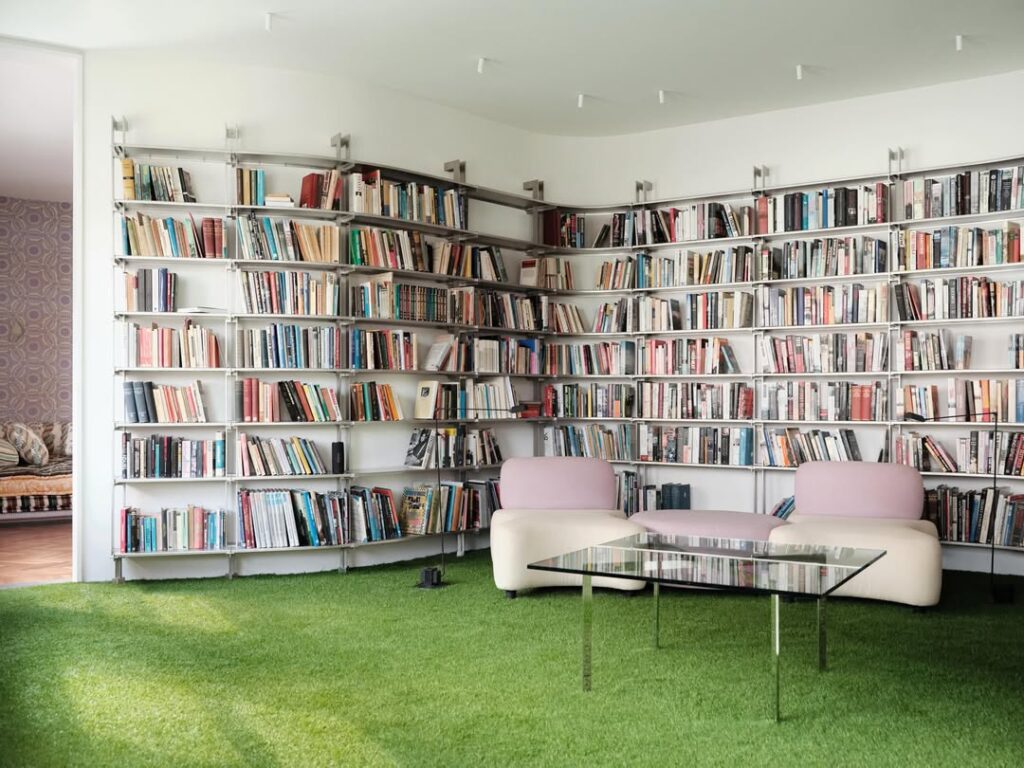
- Ipunto0: Located on via Montebello, this collective showroom conceived by Mariacristina Giobbi reinterprets the legacy of Gio Ponti. A collaborative, relational space of six rooms where different brands interact, offering designers a true observatory on contemporary living.
Twelve new addresses in just over a year is no coincidence; it is confirmation of a deliberate strategy. A permanent showroom is no longer seen as a fixed cost to be amortised solely against the Salone week, but rather as a continuous investment in the brand’s relationship with the city.
Showrooms are evolving from mere exhibition spaces into experiential platforms. Intertwining hospitality, art, and design, each opening helps redefine the concept of a brand space. And Brera—with its historical layers, its cultural density, and its ability to attract diverse audiences in every season—is the place where this transformation finds its most complete form.
Milan is no longer just a design showcase for a single week in April: it is a design capital all year round. And Brera is its most vital beating heart.

